
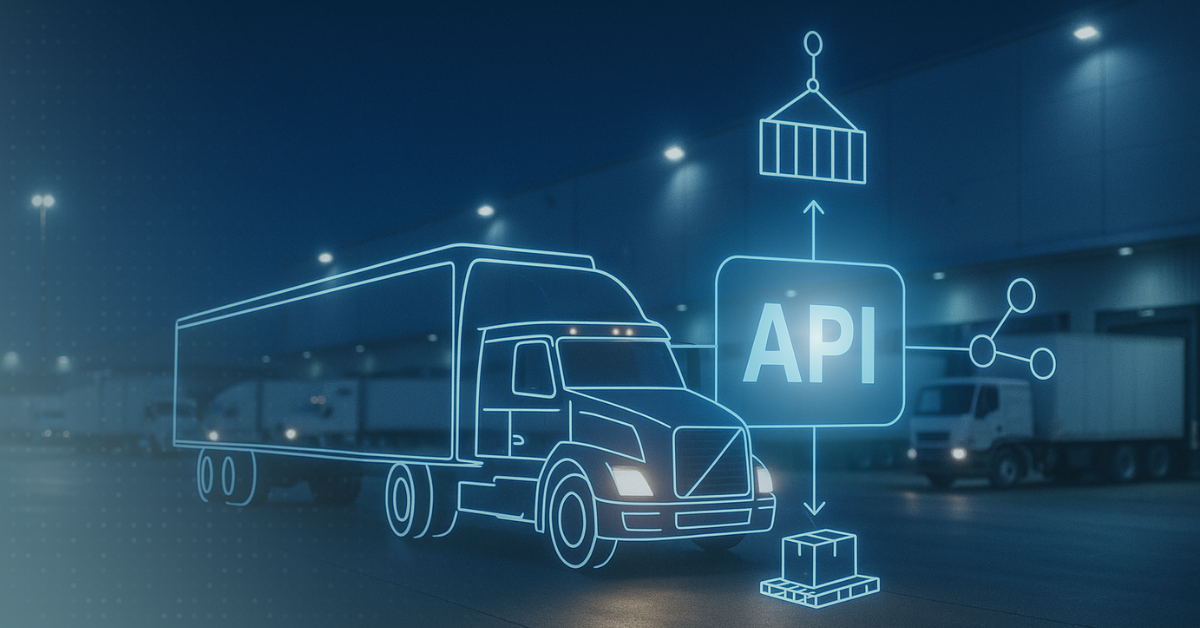
For the past decade, the freight industry has been busy building the digital foundations that modern shipping depends on. Real-time API connectivity became a major breakthrough — finally enabling systems to communicate directly, carriers to share data instantly and logistics teams to access the information they needed without endless phone calls or portal hopping.
As connectivity becomes universal, the true differentiator lies in how systems work together once they are connected. When technology behaves like a cohesive network instead of a collection of tools, freight operations feel fundamentally different. A request in one system automatically drives the next step in another. Information doesn’t just travel — it creates movement. Teams no longer have to be the glue that holds everything together.
This shift changes how organizations scale. Growth no longer relies on adding more hands to manage more freight. Innovation no longer requires ripping and replacing core systems. Customer expectations no longer outpace operational capability. A coordinated technology stack doesn’t just enhance workflows. It unlocks new potential those workflows couldn’t deliver before.
